Public opening planned for February 2027
ATX Computer Museum

Catalog

Machines, peripherals, components, and other holdings. Search by name or keyword, then open a record to learn more about an object.

The catalog currently includes 106 entries covering 168 units. Some entries describe groups of objects.

Browse the collection by era and type →

Computer

69 entries · 123 units
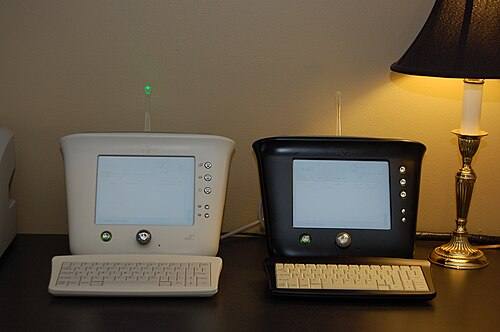
3Com Audrey

3Com Audrey

3Com built the Audrey for a moment that never arrived: the idea that households would want a cheap, fixed-function internet terminal on the counter, separate from the family computer.

Model notes

3Com built the Audrey for a moment that never arrived: the idea that households would want a cheap, fixed-function internet terminal on the counter, separate from the family computer. It had a touch screen, a stylus, a wireless keyboard and a rotating knob for scrolling, and it ran a version of QNX.

Image: Public domain · Wikimedia Commons

ATX-CAT-3COM-AUDREY
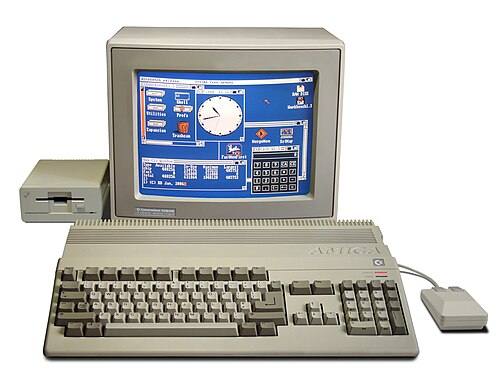
Amiga 500

Amiga 500

The Amiga 500 of 1987 was the cost-reduced Amiga, and a widely used model.

Model notes

The Amiga 500 of 1987 was the cost-reduced Amiga, and a widely used model. Underneath the keyboard sat a Motorola 68000 and the custom chipset, Agnus, Denise and Paula, that gave it hardware sprites, a blitter and four channels of sampled sound alongside contemporary PC sound systems.

Image: Bill Bertram · CC BY-SA 2.5 · source

ATX-CAT-AMIGA-500

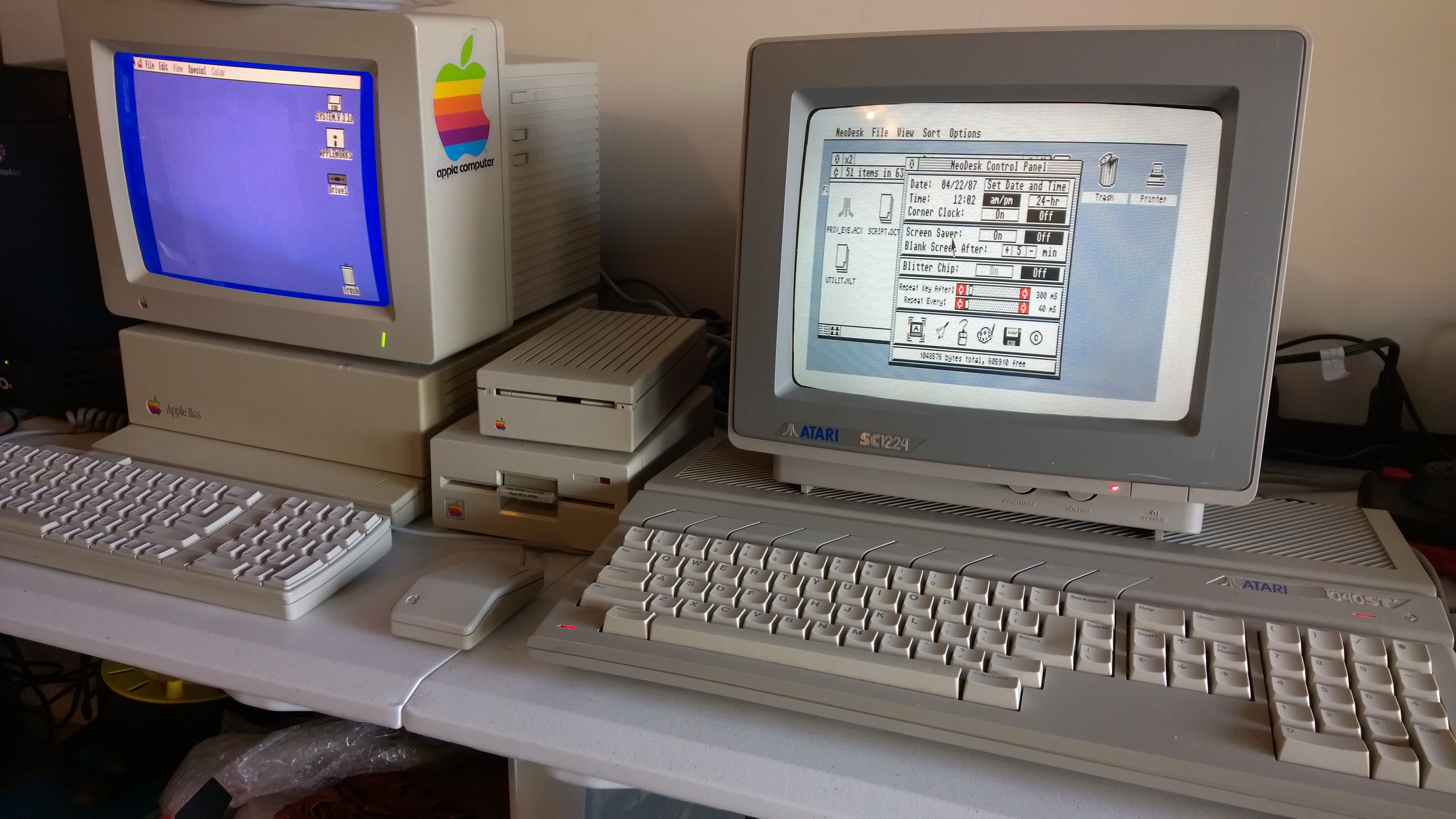
Apple IIgs running in the collection

Apple II GS

The IIGS of 1986 kept compatibility with the Apple II library while moving to a 16-bit 65C816, adding 4096 colours and an Ensoniq wavetable chip that gave it better audio than any Macintosh of the period.

Model notes

The IIGS of 1986 kept compatibility with the Apple II library while moving to a 16-bit 65C816, adding 4096 colours and an Ensoniq wavetable chip that gave it better audio than any Macintosh of the period.

ATX-CAT-APPLE-II-GS

Apple IIe

Apple IIe

The IIe of 1983 took the Apple II design, cut the chip count, and added lower case, 80 columns and a proper keyboard.

Model notes

The IIe of 1983 took the Apple II design, cut the chip count, and added lower case, 80 columns and a proper keyboard. It stayed in production until 1993, a ten-year production span.

Image: Public domain · Wikimedia Commons

ATX-CAT-APPLE-IIE

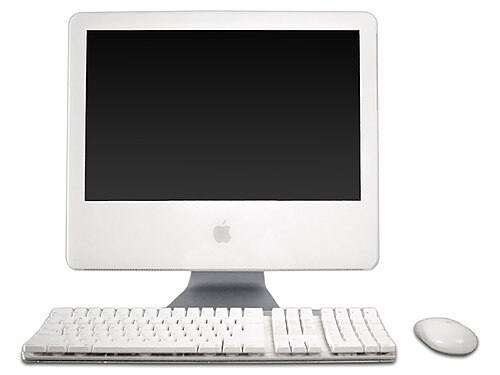
Apple iMac, white all-in-one

Apple iMac, white all-in-one

By the middle of the 2000s Apple had moved the iMac from translucent plastic to a white slab holding a flat panel, and then to the design where the whole computer hides behind the screen.

Model notes

By the middle of the 2000s Apple had moved the iMac from translucent plastic to a white slab holding a flat panel, and then to the design where the whole computer hides behind the screen.

Image: Matthew Welty (fiveaside) from Sacramento, USA · CC BY-SA 2.0 · source

ATX-CAT-APPLE-IMAC-WHITE-ALL-IN-ONE

Apple Macintosh G4 Cube

Apple Macintosh G4 Cube

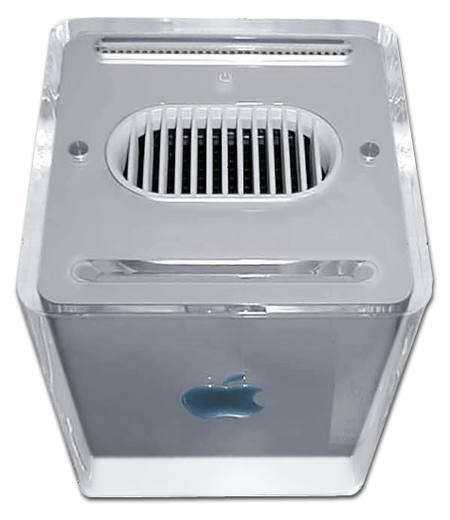
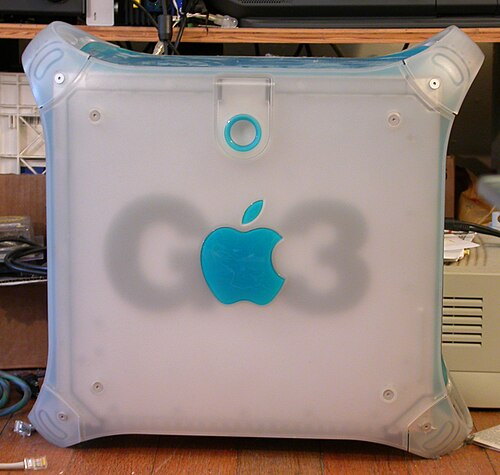
The G4 Cube of 2000 suspended a full PowerPC computer inside a clear acrylic block, cooled by convection alone without a cooling fan.

Model notes

The G4 Cube of 2000 suspended a full PowerPC computer inside a clear acrylic block, cooled by convection alone without a cooling fan. It cost $1,799 without a display and it sold badly enough that Apple suspended it after a year.

Image: Unknown · CC BY 2.0 · source
ATX-CAT-APPLE-MACINTOSH-G4-CUBE

AT&T PC 6300

AT&T PC 6300

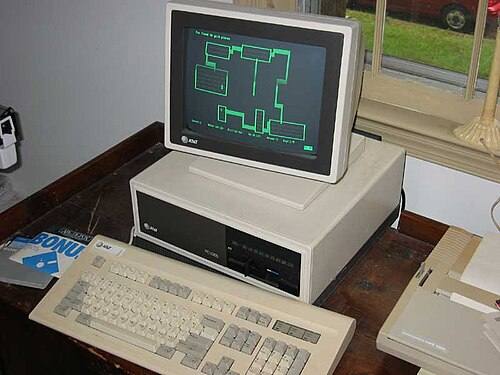
AT&T needed a PC to sell into the business market and did not build one.

Model notes

AT&T needed a PC to sell into the business market and did not build one. The 6300 is an Olivetti M24, badged and sold through AT&T's channels from 1984.

Image: Blake Patterson from Alexandria, VA, USA · CC BY 2.0 · source

ATX-CAT-AT-T-PC-6300

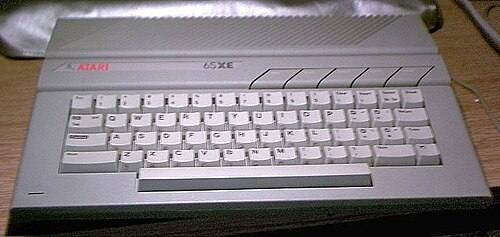
Atari 65XE

Atari 65XE

The 65XE of 1985 is the same 8-bit architecture as the 800XL catalogued elsewhere here, in the wedge-shaped case Atari adopted after Jack Tramiel took the company over and lined its products up with the new ST.

Model notes

The 65XE of 1985 is the same 8-bit architecture as the 800XL catalogued elsewhere here, in the wedge-shaped case Atari adopted after Jack Tramiel took the company over and lined its products up with the new ST.

Image: Public domain · Wikimedia Commons

ATX-CAT-ATARI-65XE

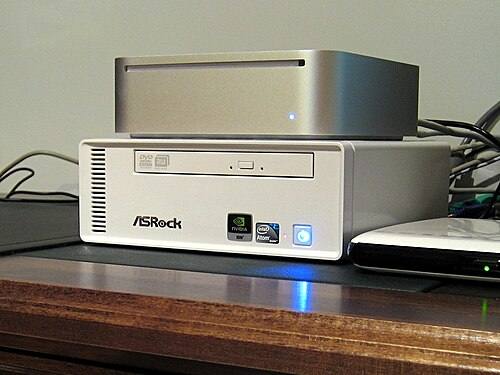
Atom mini PC

Atom mini PC×6

Intel's Atom line put x86 into thermal envelopes that had previously belonged to embedded processors, which produced a wave of tiny fanless desktops used as thin clients, kiosks and home servers.

Model notes

Intel's Atom line put x86 into thermal envelopes that had previously belonged to embedded processors, which produced a wave of tiny fanless desktops used as thin clients, kiosks and home servers.

Image: Khaosaming · CC BY-SA 3.0 · source

ATX-CAT-ATOM-MINI-PC-6

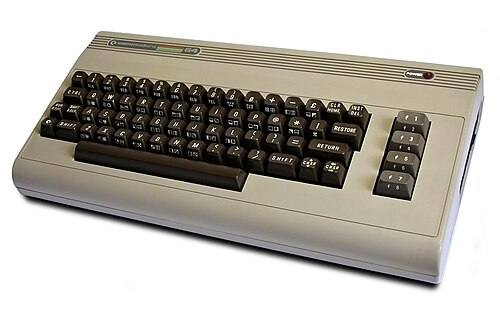
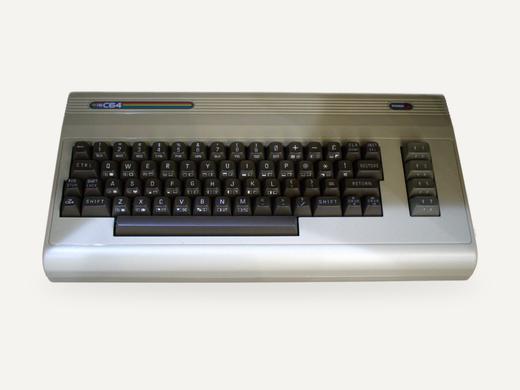
C64, FPGA-based Commodore 64 remake

C64, FPGA-based Commodore 64 remake

An FPGA recreation implements the original chips as logic, cycle by cycle, instead of imitating their behaviour in software.

Model notes

An FPGA recreation implements the original chips as logic, cycle by cycle, instead of imitating their behaviour in software. The result behaves like the hardware, including the timing quirks that games and demos depend on.

Image: Bill Bertram · CC BY-SA 2.5 · source

ATX-CAT-C64-FPGA-BASED-COMMODORE-64-REMAKE

Commodore PC 10

Commodore PC 10

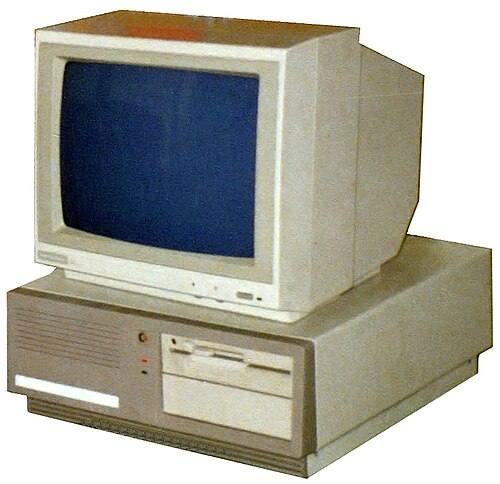
The PC 10 is an 8088 machine running MS-DOS, sold mainly in Europe from the mid 1980s.

Model notes

The PC 10 is an 8088 machine running MS-DOS, sold mainly in Europe from the mid 1980s. Commodore had the Amiga and the PET behind it and still had to build a clone, because business buyers wanted compatibility rather than capability.

Image: Gunnar Richter Namenlos.net · CC BY-SA 3.0 · source

ATX-CAT-COMMODORE-PC-10

Compaq iPaq thin client

Compaq iPaq thin client

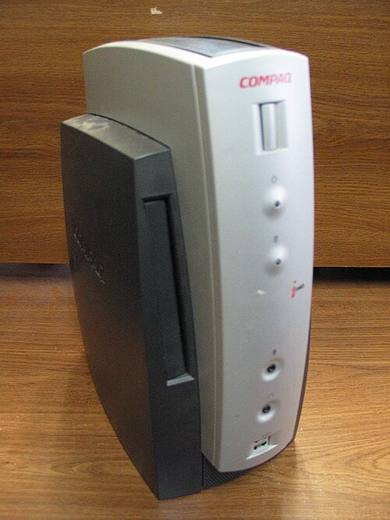
Compaq's iPaq desktop of 2000 dropped the serial, parallel and PS/2 connectors for USB alone, in a small vertical case aimed at corporate deployments and thin-client use.

Model notes

Compaq's iPaq desktop of 2000 dropped the serial, parallel and PS/2 connectors for USB alone, in a small vertical case aimed at corporate deployments and thin-client use.

Image: Public domain · Wikimedia Commons

ATX-CAT-COMPAQ-IPAQ-THIN-CLIENT

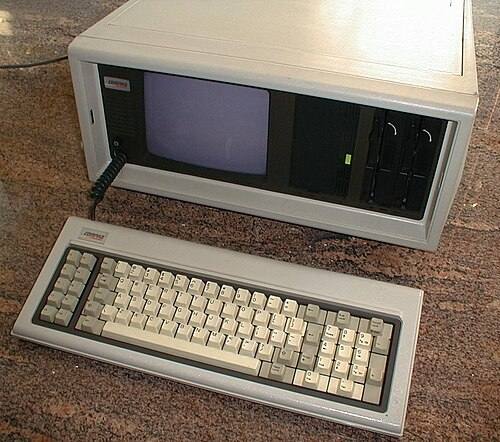
Compaq Portable

Compaq Portable

Compaq's 1983 luggable was a full IBM PC compatible in a sewing-machine case.

Model notes

Compaq's 1983 luggable was a full IBM PC compatible in a sewing-machine case. The hardware was the easy part. The BIOS was the problem, and Compaq solved it with a clean-room reimplementation: one team documented what IBM's BIOS did, a second team who had never seen IBM's code wrote one that behaved the same way.

Image: Public domain · Wikimedia Commons

ATX-CAT-COMPAQ-PORTABLE

Gateway 2000 4DX250

Gateway 2000 4DX250

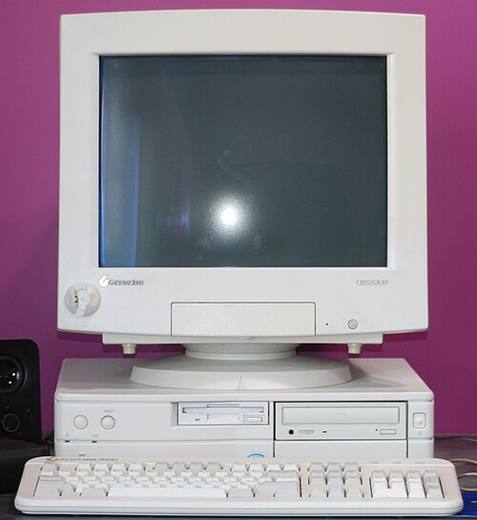
Gateway sold direct from South Dakota, shipped in boxes printed like Holstein hide, and undercut the retail channel by cutting the channel out.

Model notes

Gateway sold direct from South Dakota, shipped in boxes printed like Holstein hide, and undercut the retail channel by cutting the channel out. The 4DX250 is a 486DX2 at 50 MHz from the early 1990s.

Image: MBlairMartin · CC BY-SA 4.0 · source

ATX-CAT-GATEWAY-2000-4DX250

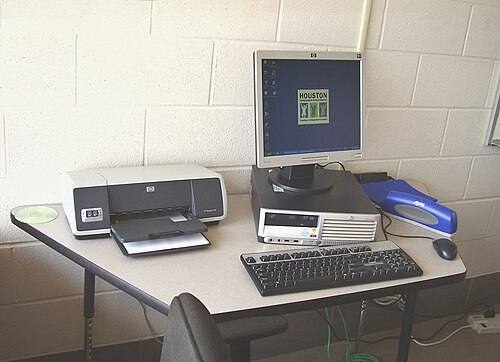
HP Core 2 Duo PC

HP Core 2 Duo PC

By the time Intel's Core 2 Duo arrived in 2006, the distinction this museum is built on had closed.

Model notes

By the time Intel's Core 2 Duo arrived in 2006, the distinction this museum is built on had closed. A mid-range office PC had memory protection, real multitasking, a capable GPU and a Unix-like operating system available for it.

Image: Public domain · Wikimedia Commons

ATX-CAT-HP-CORE-2-DUO-PC

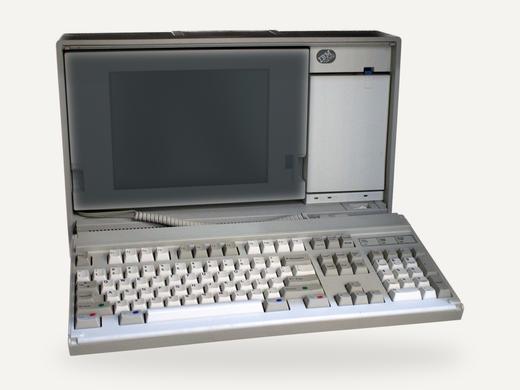
IBM PCjr

The PCjr of 1984 had better graphics and sound than the IBM PC and was crippled everywhere else: a rubber chiclet keyboard that typists hated, limited memory expansion, and incompatibilities with the PC software people bought it to run.

Model notes

The PCjr of 1984 had better graphics and sound than the IBM PC and was crippled everywhere else: a rubber chiclet keyboard that typists hated, limited memory expansion, and incompatibilities with the PC software people bought it to run.

Photograph withdrawn: the intake frame filed here shows Apple equipment. Identification pending.

Image: Public domain · Wikimedia Commons

ATX-CAT-IBM-PCJR

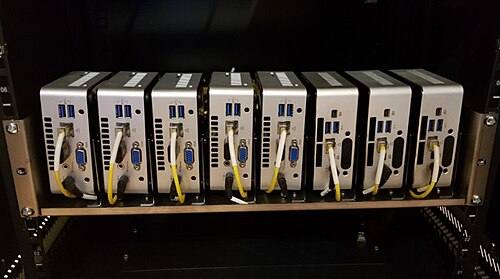
Intel NUC

Intel NUC

Intel's Next Unit of Computing reference design put a complete PC, with modern I/O and enough performance for real work, into a chassis roughly the size of a drinks coaster.

Model notes

Intel's Next Unit of Computing reference design put a complete PC, with modern I/O and enough performance for real work, into a chassis roughly the size of a drinks coaster.

Image: Truenetworks · CC BY-SA 3.0 · source

ATX-CAT-INTEL-NUC

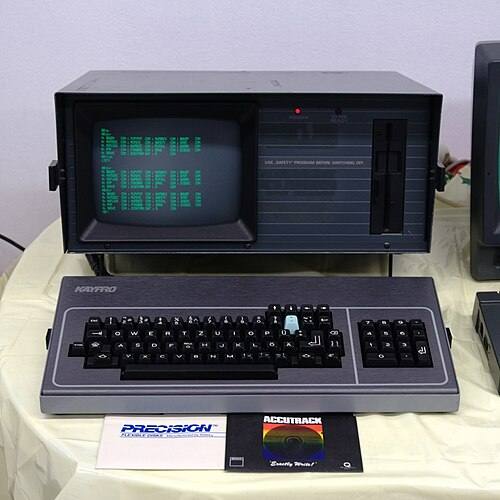
Kaypro

Kaypro

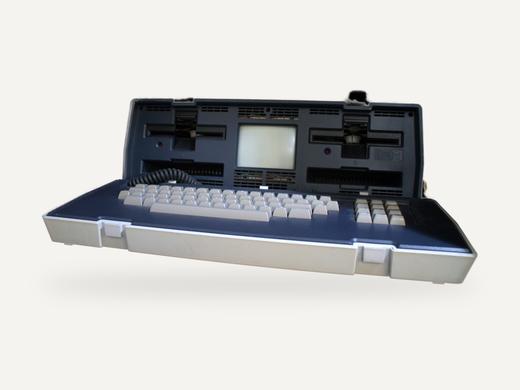
Kaypro followed Osborne into the portable market in 1982 with a machine built into a folded aluminium shell, a nine-inch screen where Osborne had five, and the same commercial idea: bundle enough software that the buyer needs nothing else.

Model notes

Kaypro followed Osborne into the portable market in 1982 with a machine built into a folded aluminium shell, a nine-inch screen where Osborne had five, and the same commercial idea: bundle enough software that the buyer needs nothing else.

Image: Soupmeister · CC BY-SA 2.0 · source

ATX-CAT-KAYPRO

Macintosh Plus

Macintosh Plus

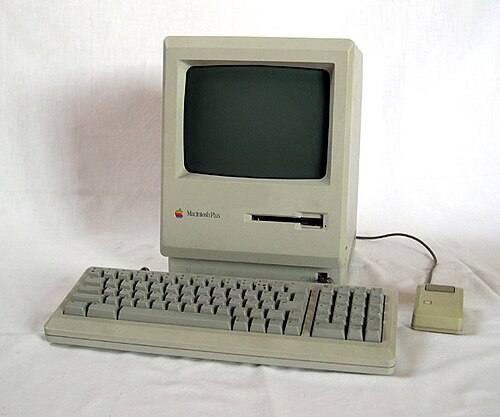
The 1986 Macintosh Plus fixed what the 1984 Macintosh got wrong.

Model notes

The 1986 Macintosh Plus fixed what the 1984 Macintosh got wrong. It had a megabyte of RAM, expandable, a proper 800K drive, and a SCSI port that let it take a hard disk and everything else the professional world already used.

Image: Unknown · CC BY-SA 3.0 · source

ATX-CAT-MACINTOSH-PLUS

Mac mini

Mac mini

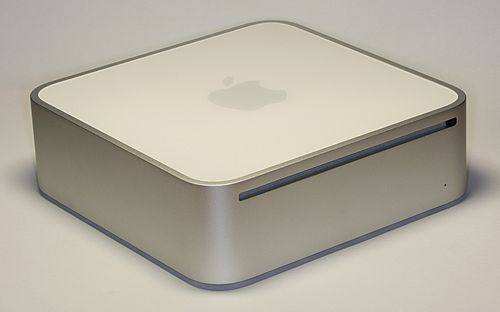
The 2005 Mac mini asked people who already owned a monitor and a keyboard to buy the computer alone.

Model notes

The 2005 Mac mini asked people who already owned a monitor and a keyboard to buy the computer alone. It was Apple's cheapest machine and its least decorated, a flat aluminium and polycarbonate slab that hid on a shelf.

Image: D-Kuru · CC BY-SA 3.0 at · source

ATX-CAT-MAC-MINI

PC, AGP graphics class

PC, AGP graphics class×2

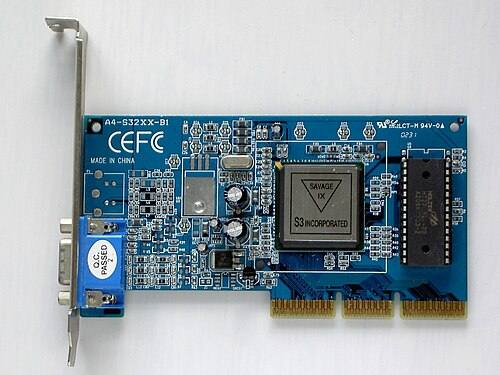
The Accelerated Graphics Port gave the graphics card a dedicated path to main memory, and with it the PC gained the one capability that had most clearly belonged to SGI.

Model notes

The Accelerated Graphics Port gave the graphics card a dedicated path to main memory, and with it the PC gained the one capability that had most clearly belonged to SGI.

Image: Public domain · Wikimedia Commons

ATX-CAT-PC-AGP-GRAPHICS-CLASS-2

PC, Core 2 Duo class

PC, Core 2 Duo class

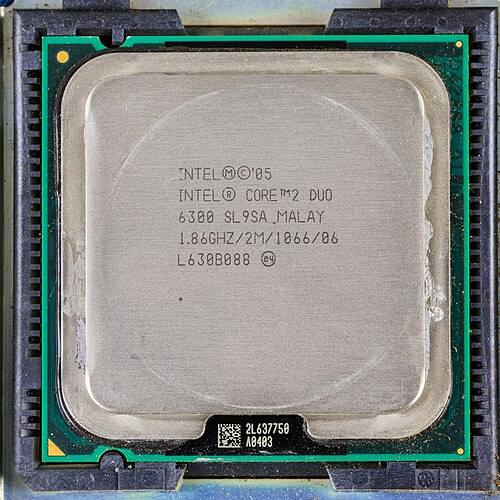
Held as a reference for the systems around it.

Model notes

Held as a reference for the systems around it. By this generation a desktop PC had multiple cores, gigabytes of memory and a graphics processor capable of real work, and the workstation had nothing left to sell that a buyer could not get from a catalogue.

Image: Raimond Spekking · CC BY-SA 4.0 · source

ATX-CAT-PC-CORE-2-DUO-CLASS

PC, Pentium 4 single-core class

PC, Pentium 4 single-core class

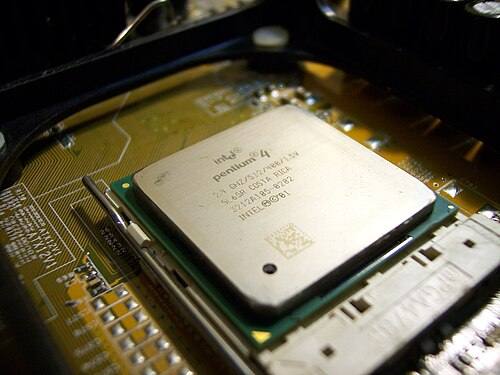
The Pentium 4 was built around a long pipeline and very high clock speeds, an approach that ran into heat and stopped scaling.

Model notes

The Pentium 4 was built around a long pipeline and very high clock speeds, an approach that ran into heat and stopped scaling. The retreat from it is why processors after 2005 went wide rather than fast.

Image: Public domain · Wikimedia Commons

ATX-CAT-PC-PENTIUM-4-SINGLE-CORE-CLASS

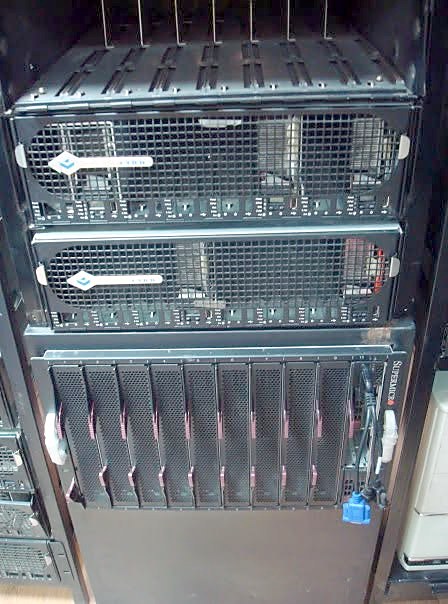
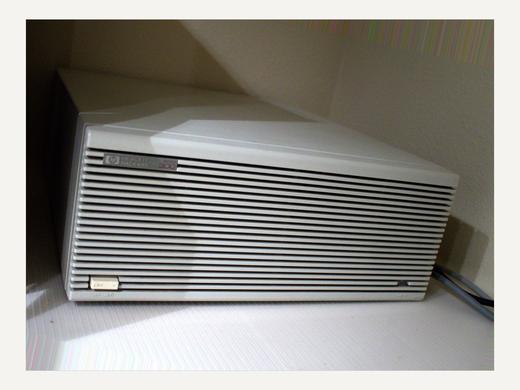
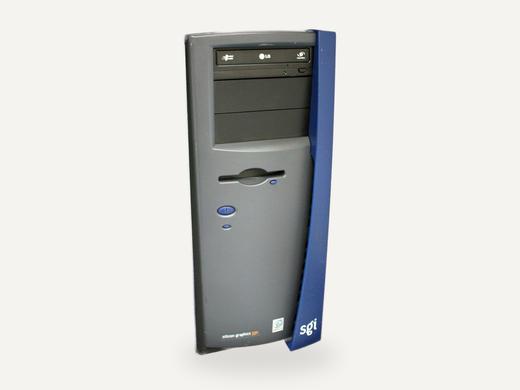
SGI Origin 300

SGI Origin 300

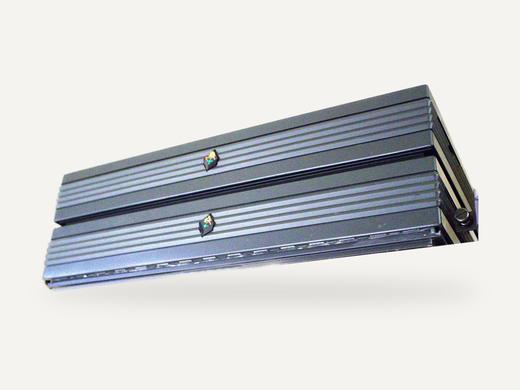
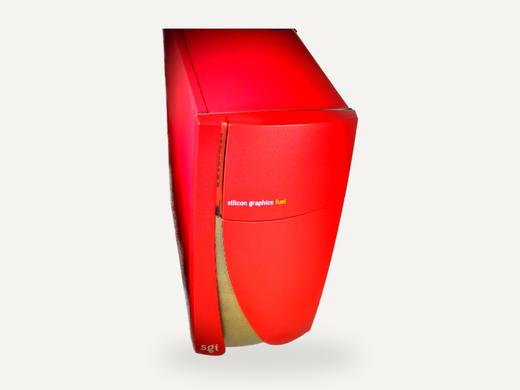
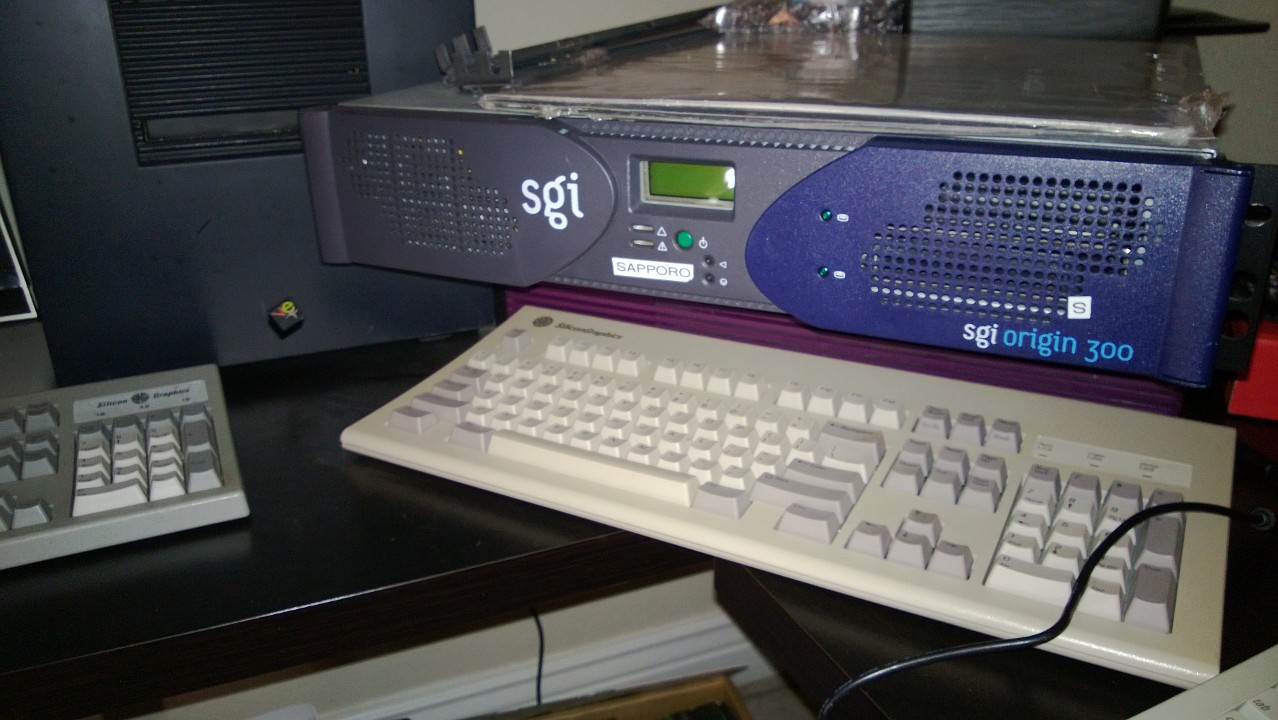
The Origin line applied SGI's NUMAlink interconnect to servers rather than workstations, letting many processors share memory across a single system image.

Model notes

The Origin line applied SGI's NUMAlink interconnect to servers rather than workstations, letting many processors share memory across a single system image. The Origin 300 is the compact rack member of that family, from around 2001.

ATX-CAT-SGI-ORIGIN-300

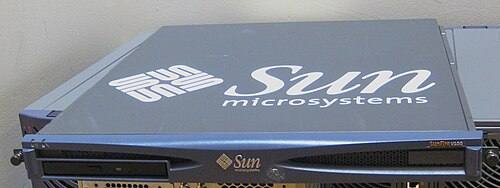
Sun Fire V100

Sun Fire V100

The V100 of 2002 put an UltraSPARC IIi and Solaris into a single rack unit at a price meant to compete with x86 servers rather than with other Unix machines.

Model notes

The V100 of 2002 put an UltraSPARC IIi and Solaris into a single rack unit at a price meant to compete with x86 servers rather than with other Unix machines.

Image: NapoliRoma · CC BY-SA 3.0 · source

ATX-CAT-SUN-FIRE-V100

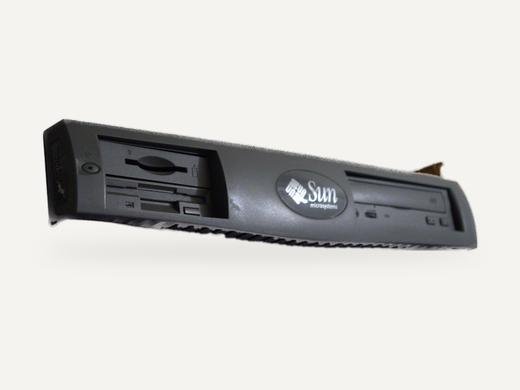
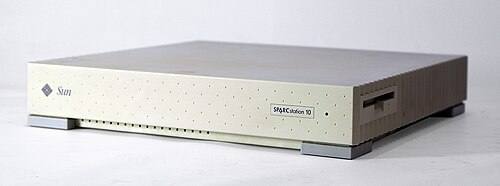
Sun SPARCstation 10

Sun SPARCstation 10

The SPARCstation 10 of 1992 took Sun's flat desktop form and made it capable of holding more than one processor module, so a department could buy compute a piece at a time.

Model notes

The SPARCstation 10 of 1992 took Sun's flat desktop form and made it capable of holding more than one processor module, so a department could buy compute a piece at a time.

Image: Thomas Kaiser · CC BY-SA 3.0 · source

ATX-CAT-SUN-SPARCSTATION-10

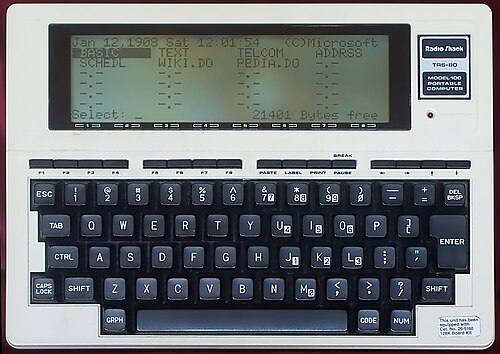
Tandy 100

Tandy 100

The Model 100 of 1983 ran for weeks on four AA cells, started instantly because its software was in ROM, had a full-size keyboard and a built-in modem, and weighed under four pounds.

Model notes

The Model 100 of 1983 ran for weeks on four AA cells, started instantly because its software was in ROM, had a full-size keyboard and a built-in modem, and weighed under four pounds.

Image: Public domain · Wikimedia Commons

ATX-CAT-TANDY-100

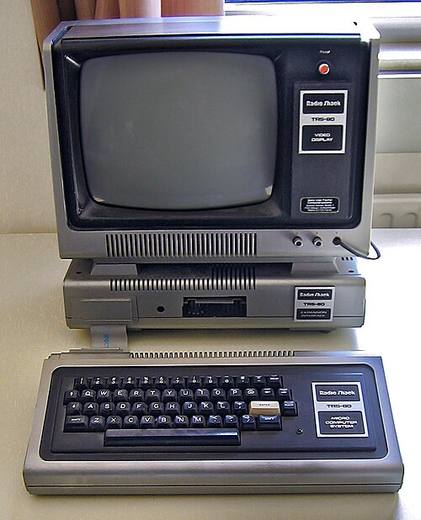
Tandy TRS-80

Tandy TRS-80

The TRS-80 Model I arrived in 1977 alongside the Apple II and the Commodore PET, and it outsold both at first because Tandy could put it in front of people in thousands of Radio Shack stores.

Model notes

The TRS-80 Model I arrived in 1977 alongside the Apple II and the Commodore PET, and it outsold both at first because Tandy could put it in front of people in thousands of Radio Shack stores.

Image: Modified version of image by Flominator (talk) (Minor changes by Ubcule) · CC BY-SA 3.0 · source

ATX-CAT-TANDY-TRS-80

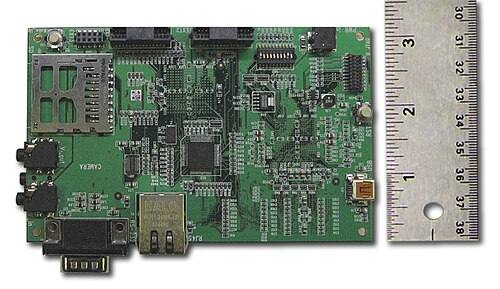
Vortex86 industrial embedded system

Vortex86 industrial embedded system×3

The Vortex86 line puts an x86-compatible core into low-power embedded hardware, which matters when a factory or a piece of instrumentation depends on software nobody can port and nobody dares touch.

Model notes

The Vortex86 line puts an x86-compatible core into low-power embedded hardware, which matters when a factory or a piece of instrumentation depends on software nobody can port and nobody dares touch.

Image: Luikk · CC BY-SA 3.0 · source

ATX-CAT-VORTEX86-INDUSTRIAL-EMBEDDED-SYSTEM-3

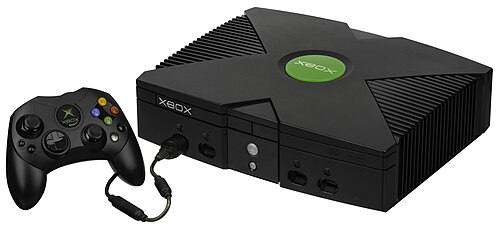
Xbox 360×2

The 360 of 2005 had a triple-core PowerPC processor and a custom ATI graphics part with unified shaders, which arrived on the console before it reached PC graphics cards.

Model notes

The 360 of 2005 had a triple-core PowerPC processor and a custom ATI graphics part with unified shaders, which arrived on the console before it reached PC graphics cards.

ATX-CAT-XBOX-360-2

Laptop

9 entries · 16 units
Apple PowerBook G3, white

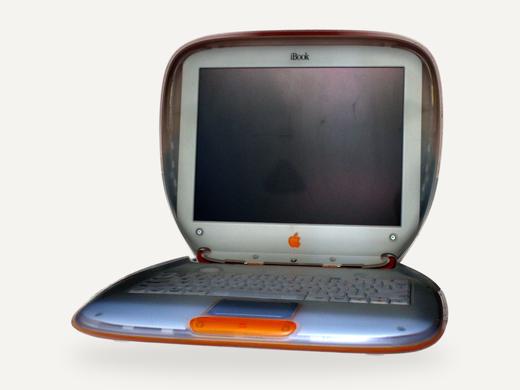
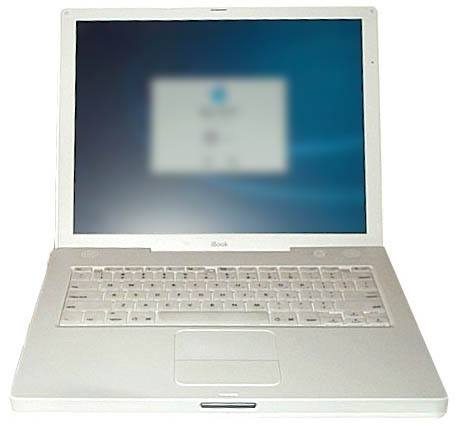
Apple PowerBook G3, white

After the tangerine clamshell catalogued elsewhere here, Apple's consumer portable became a plain white polycarbonate slab: no handle, no colours, a shape that lasted through the iBook G4 and set the pattern for the plastic MacBook.

Model notes

After the tangerine clamshell catalogued elsewhere here, Apple's consumer portable became a plain white polycarbonate slab: no handle, no colours, a shape that lasted through the iBook G4 and set the pattern for the plastic MacBook.

Image: Public domain · Wikimedia Commons

ATX-CAT-APPLE-POWERBOOK-G3-WHITE

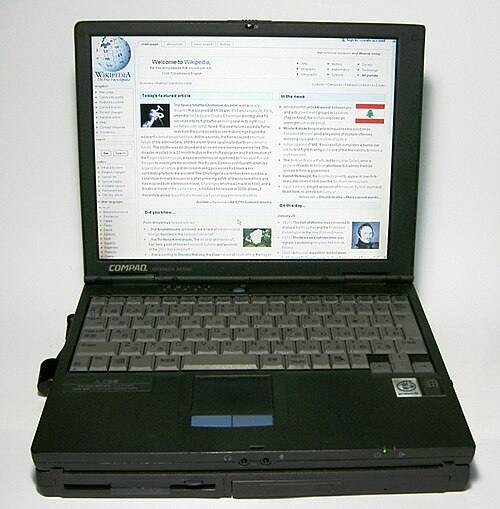
Compaq colour Windows 98 laptop

Compaq colour Windows 98 laptop

By the late 1990s the laptop had settled into the shape it still has: colour TFT, a trackpad, a CD drive in a bay, and a battery that lasted rather less than the marketing said.

Model notes

By the late 1990s the laptop had settled into the shape it still has: colour TFT, a trackpad, a CD drive in a bay, and a battery that lasted rather less than the marketing said.

Image: Public domain · Wikimedia Commons

ATX-CAT-COMPAQ-COLOUR-WINDOWS-98-LAPTOP

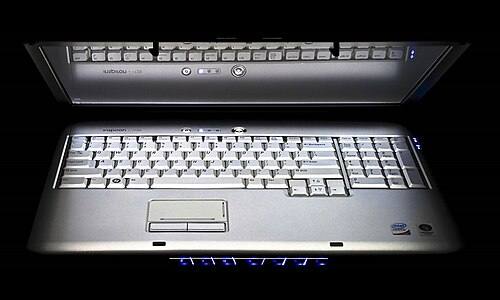
Dell Inspiron 7500

Dell Inspiron 7500

The Inspiron 7500 was large, heavy and fast, built for people who wanted one machine rather than a laptop and a desktop.

Model notes

The Inspiron 7500 was large, heavy and fast, built for people who wanted one machine rather than a laptop and a desktop. It carried a 15-inch display at a time when 13 was normal.

Image: Someformofhuman · CC BY-SA 4.0 · source

ATX-CAT-DELL-INSPIRON-7500

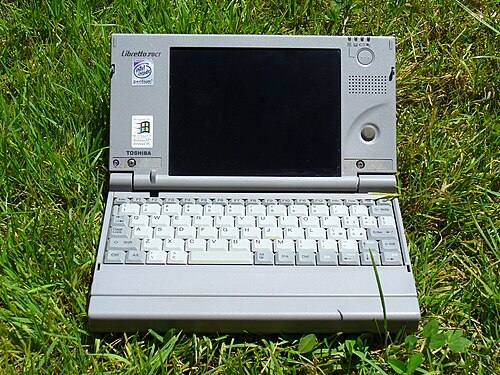
Toshiba Libretto 300

Toshiba Libretto 300

The Libretto line squeezed a complete x86 PC, running real Windows rather than a cut-down system, into a machine about the size of a paperback with a keyboard you could just about touch-type on.

Model notes

The Libretto line squeezed a complete x86 PC, running real Windows rather than a cut-down system, into a machine about the size of a paperback with a keyboard you could just about touch-type on.

Image: Lorenzo Breda · CC BY-SA 3.0 · source

ATX-CAT-TOSHIBA-LIBRETTO-300

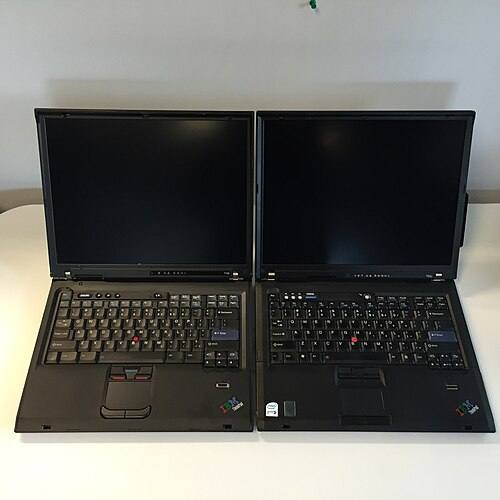
IBM ThinkPad

IBM ThinkPad×8

The ThinkPad was designed around a Japanese lunch box, given a matte black case, a keyboard that engineers trusted and the TrackPoint that people either loved or ignored.

Model notes

The ThinkPad was designed around a Japanese lunch box, given a matte black case, a keyboard that engineers trusted and the TrackPoint that people either loved or ignored. IBM sold them to the people who cared most about typing on them.

Image: CC0 · Wikimedia Commons

ATX-CAT-IBM-THINKPAD-8

Display

16 entries · 18 units

Apple Color CRT, IIGS

The IIGS could produce 4096 colours and needed a display that could show them.

Model notes

The IIGS could produce 4096 colours and needed a display that could show them. Apple's composite colour monitor for the machine is the piece that completes it, and without it the system is only half present.

ATX-CAT-APPLE-COLOR-CRT-IIGS

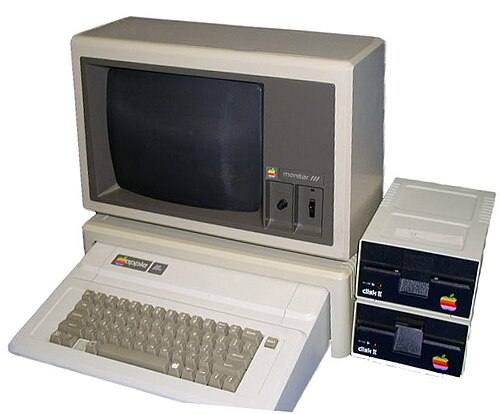
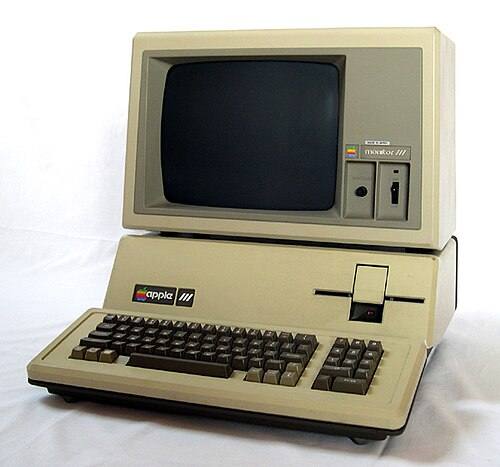
Apple Monitor III

Apple Monitor III

The Monitor III was Apple's 12-inch monochrome display for the Apple III, a machine whose own reputation was ruined by early reliability problems severe enough that Apple replaced the entire first production run.

Model notes

The Monitor III was Apple's 12-inch monochrome display for the Apple III, a machine whose own reputation was ruined by early reliability problems severe enough that Apple replaced the entire first production run.

Image: Unknown · CC BY-SA 3.0 · source

ATX-CAT-APPLE-MONITOR-III

Apple RGB CRT monitor

Apple RGB CRT monitor

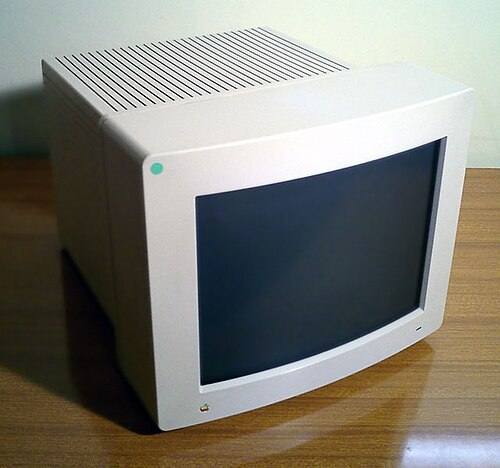
When the Macintosh II gave the Mac colour and expansion slots in 1987, it needed a colour display to go with it.

Model notes

When the Macintosh II gave the Mac colour and expansion slots in 1987, it needed a colour display to go with it. The AppleColor high-resolution RGB monitor is that display, and it is what desktop publishing was actually done on.

Image: Unknown · CC BY-SA 3.0 · source

ATX-CAT-APPLE-RGB-CRT-MONITOR

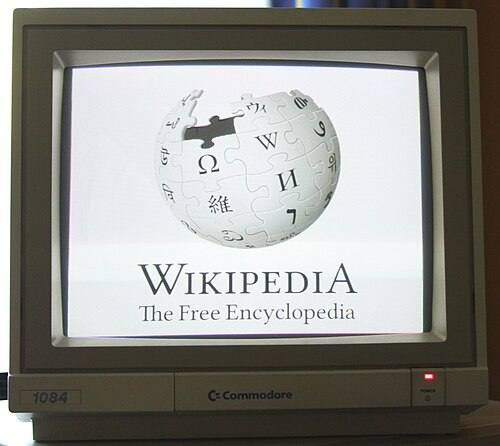
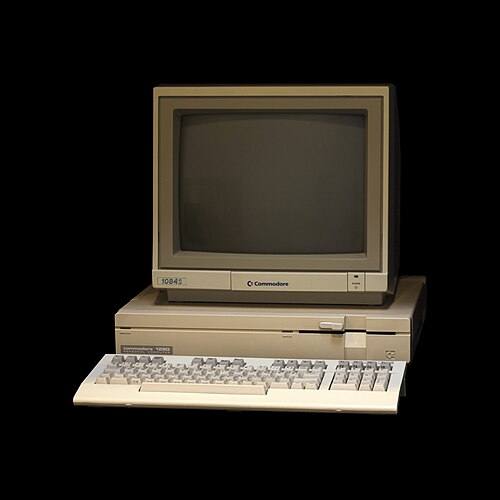
Commodore 1084 CRT monitor

Commodore 1084 CRT monitor

The 1084 accepted composite, RGB and separate luma and chroma, which meant it could be driven properly by an Amiga, a Commodore 64 and a good deal else besides.

Model notes

The 1084 accepted composite, RGB and separate luma and chroma, which meant it could be driven properly by an Amiga, a Commodore 64 and a good deal else besides.

Image: Morn · CC BY-SA 4.0 · source

ATX-CAT-COMMODORE-1084-CRT-MONITOR

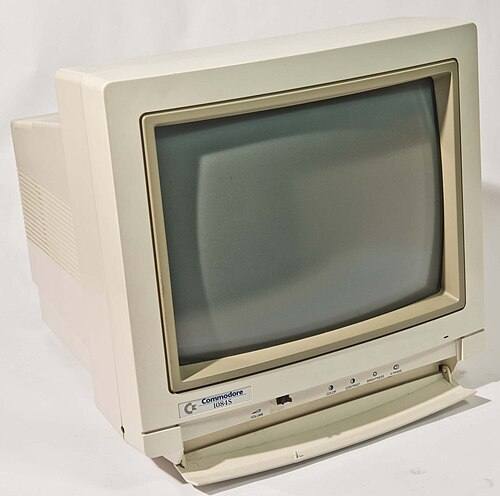
Commodore 1084S CRT monitor

Commodore 1084S CRT monitor

The S revision added stereo speakers, which mattered because the Amiga had four channels of sampled audio and most monitors could only give you one.

Model notes

The S revision added stereo speakers, which mattered because the Amiga had four channels of sampled audio and most monitors could only give you one.

Image: Rama & Musée Bolo · CC BY-SA 2.0 fr · source

ATX-CAT-COMMODORE-1084S-CRT-MONITOR

Commodore CRT monitor

Commodore CRT monitor

Commodore sold monitors across its whole range so that buyers were not dependent on a spare television.

Model notes

Commodore sold monitors across its whole range so that buyers were not dependent on a spare television. Holding them alongside the computers is the only way to show a system as its owner actually used it.

Image: Hannes Grobe · CC BY 3.0 · source

ATX-CAT-COMMODORE-CRT-MONITOR

SGI 1600SW flat panel

SGI 1600SW flat panel×2

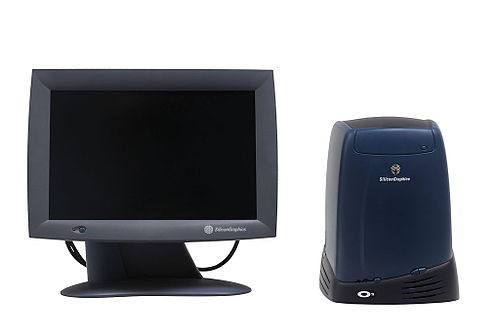
The 1600SW ran 1600 by 1024 in a 16:10 widescreen shape at a time when everyone else was selling 4:3 CRTs, and it used SGI's own digital connection rather than analogue VGA.

Model notes

The 1600SW ran 1600 by 1024 in a 16:10 widescreen shape at a time when everyone else was selling 4:3 CRTs, and it used SGI's own digital connection rather than analogue VGA.

Image: Rama & Musée Bolo · CC BY-SA 2.0 fr · source

ATX-CAT-SGI-1600SW-FLAT-PANEL-2

Sun CRT display

Sun's displays ran at resolutions and refresh rates that PC monitors of the same years could not manage, on Sun's own 13W3 connector, which is why they were sold as part of the system rather than separately.

Model notes

Sun's displays ran at resolutions and refresh rates that PC monitors of the same years could not manage, on Sun's own 13W3 connector, which is why they were sold as part of the system rather than separately.

ATX-CAT-SUN-CRT-DISPLAY

ViewSonic 1600-resolution display

ViewSonic 1600-resolution display

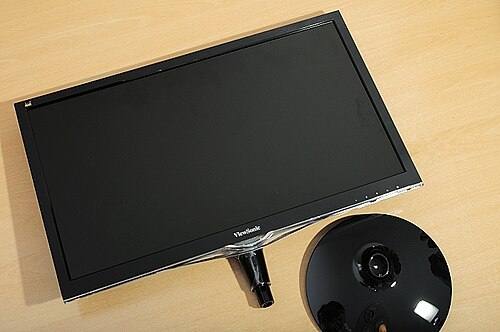
ViewSonic sold into the professional market at prices well below Apple and SGI, and machines like this are what most people actually put on their desks once CRTs went.

Model notes

ViewSonic sold into the professional market at prices well below Apple and SGI, and machines like this are what most people actually put on their desks once CRTs went.

Image: Sinchen.Lin · CC BY 2.0 · source

ATX-CAT-VIEWSONIC-1600-RESOLUTION-DISPLAY

ViewSonic television

The Commodore 64, the Atari 8-bits and most home computers of that generation were designed to plug into the family television, and that is how nearly everyone used them.

Model notes

The Commodore 64, the Atari 8-bits and most home computers of that generation were designed to plug into the family television, and that is how nearly everyone used them.

ATX-CAT-VIEWSONIC-TELEVISION

Storage

5 entries · 5 units
Atari Megafile 30 MB

Atari Megafile 30 MB

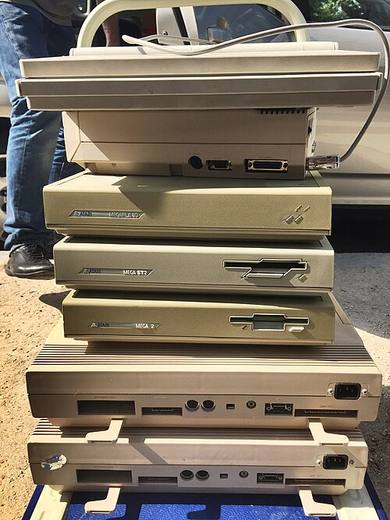
The Megafile connected through the ST's DMA port and gave the machine a hard disk in a case styled to sit under the monitor with the rest of the system.

Model notes

The Megafile connected through the ST's DMA port and gave the machine a hard disk in a case styled to sit under the monitor with the rest of the system.

Image: Thomas Conté · CC BY-SA 2.0 · source

ATX-CAT-ATARI-MEGAFILE-30-MB

Printer

1 entries · 1 units

Networking

1 entries · 1 units

Audio

1 entries · 1 units

Handheld

3 entries · 3 units
Collection record

Handspring Visor

Handspring was founded by Jeff Hawkins and Donna Dubinsky, who had created the Palm Pilot and left after Palm was sold.

Model notes

Handspring was founded by Jeff Hawkins and Donna Dubinsky, who had created the Palm Pilot and left after Palm was sold. The Visor ran Palm OS under licence and added the Springboard slot, a hardware expansion bay that took modules including a phone.

ATX-CAT-HANDSPRING-VISOR

Palm Tungsten E2

Palm Tungsten E2

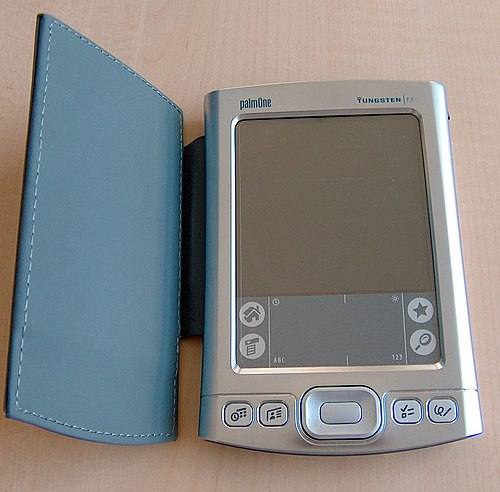
The Tungsten E2 of 2005 had a colour screen, Bluetooth and non-volatile memory, so a flat battery no longer meant losing everything on the device.

Model notes

The Tungsten E2 of 2005 had a colour screen, Bluetooth and non-volatile memory, so a flat battery no longer meant losing everything on the device.

Image: User:MarkusHagenlocher · CC BY-SA 3.0 · source

ATX-CAT-PALM-TUNGSTEN-E2

Peripherals

2 entries · 0 units
Misc. peripherals

Misc. peripherals

SGI and Sun keyboards, embedded boards, spare SGI graphics cards and motherboards.

Model notes

SGI and Sun keyboards, embedded boards, spare SGI graphics cards and motherboards. Workstation peripherals used proprietary connectors and protocols, so a Sun keyboard works with Sun machines and nothing else.

Image: Felix the Cassowary · CC BY-SA 3.0 · source

ATX-CAT-MISC-PERIPHERALS

Mechanical keyboards

Mechanical keyboards

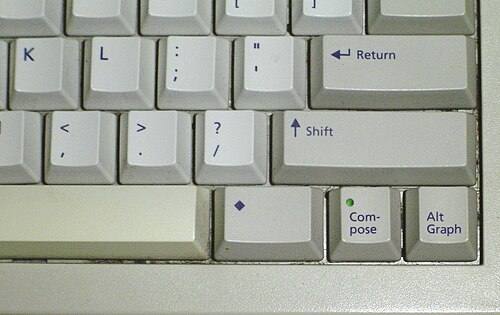
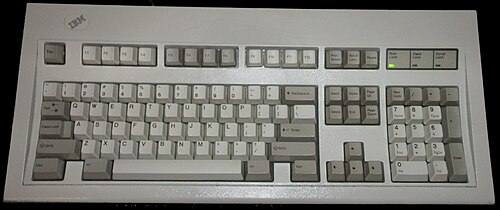
Buckling spring and mechanical switch keyboards were simply what a serious computer came with.

Model notes

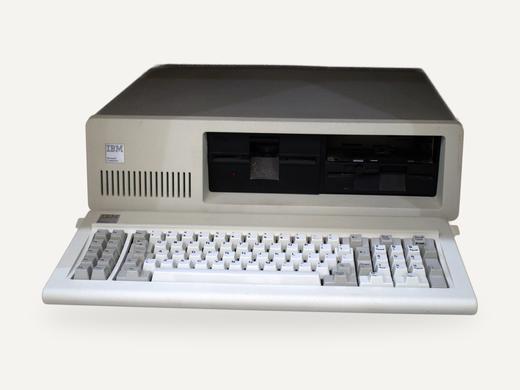
Buckling spring and mechanical switch keyboards were simply what a serious computer came with. The IBM Model F on the PC 5150 in this catalogue is the best known, and Sun, SGI and DEC all shipped keyboards built to be typed on for eight hours a day.

Image: Public domain · Wikimedia Commons

ATX-CAT-MECHANICAL-KEYBOARDS

Download the catalog metadata (JSON)

Catalog references are stable links to the collection records. For condition, availability, or specimen-level questions, contact the museum.